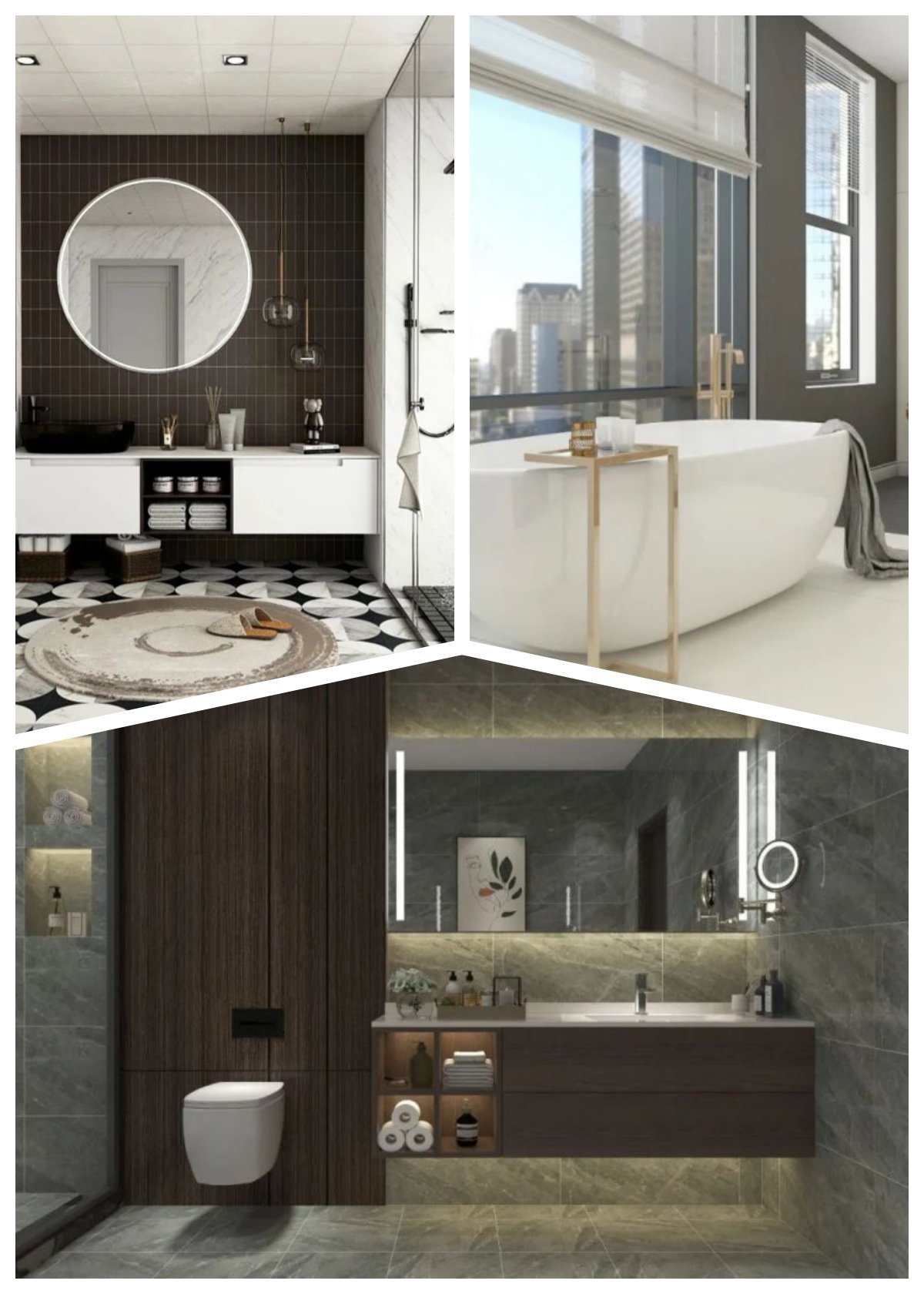



This guide helps importers, distributors and project buyers organize those records, distinguish cooperation models and follow up with specific questions. A factory-direct claim cannot be verified by price alone.
1. Organize Canton Fair Sanitary Ware Supplier Records
A photograph without a model reference soon becomes difficult to use. The same is true of a quotation saved separately from the salesperson’s contact details. First, assign each supplier a reference such as CF140-S01. Use it for the business card, product photographs, quotations and correspondence.
The following is an organizational template, not an actual supplier record.
| Record | Information to keep | Example |
|---|---|---|
| Supplier identity | Chinese and English company names, contact, communication details and booth reference | CF140-S01_supplier-profile |
| Product photographs | Model, photographed version, accessories and discussion notes | CF140-S01_model-A_front |
| Quotation | Date, currency, quantity basis, included items, packaging and delivery terms | CF140-S01_quote_v1 |
| Technical documents | Drawing revisions, specifications and documents for the proposed model | CF140-S01_drawing-rev-B |
| Open questions | Missing information, responsible contact, next action and response date | Awaiting supplied-fitting confirmation |
Keep original and revised quotations. If the price changes, check whether quantity, components, packaging or delivery scope changed too. Where photography is permitted, record labels and relevant connection details alongside appearance. A showroom image is a design reference, not a complete purchase specification.
The official Canton Fair website provides exhibition information. Keep that background separate from your verification of the proposed order.
2. Define the Cooperation You Want From Canton Fair Sanitary Ware Suppliers
Before requesting another quotation, explain the relationship you want. Buying an existing brand for distribution differs from purchasing a standard model or developing a private-label configuration.
| Model | Buyer objective | First questions |
|---|---|---|
| Brand distribution | Sell products under the supplier’s brand | Authorization, territory, channel restrictions, brand support and warranty responsibility |
| Standard-product purchasing | Buy existing models in an agreed configuration | Exact model, accessories, quantity, packaging, availability and permitted changes |
| OEM or private label | Supply under an agreed brand or specification | Branding, technical changes, samples, tooling responsibilities, artwork and model documents |
These models can overlap. For example, adding a logo to an existing model may not require new tooling. A structural change may require development and further evaluation. Define the work instead of relying on “OEM available.”
3. Verify the Factory Behind Canton Fair Sanitary Ware Suppliers
A Canton Fair booth is not proof that the exhibitor owns a factory. If you want to buy directly from a manufacturer, verify the production relationship before treating a quotation as factory-direct. A website, catalog or salesperson’s claim is a starting point for checks, not manufacturing evidence on its own.
Start with the supplier’s website. Compare its company name, factory address, production processes and product range with the quotation and available company records. Ask which legal entity operates the site, which company will sign the contract and which company will receive payment. If a separate export company is involved, request a clear explanation of its relationship with the producing factory.
Next, ask for evidence tied to the product you intend to buy: a current production walkthrough, a discussion with the responsible technical team and relevant order or inspection records with confidential information removed. Cross-check the website against the actual facility and proposed model. A staged showroom visit or a generic factory video cannot settle those questions.
| Claim | Evidence to review | Not enough alone |
|---|---|---|
| We own the factory | Legal identities, site address and ownership or operating relationship | Entrance photograph |
| We manufacture this model | Relevant operations, equipment, technical discussion and available production records | A catalog containing the product |
| We make everything | Explanation of in-house work, purchased components and outsourced processes | A broad showroom |
| Our products are certified | Documents matching model, configuration, holder and intended market | A certificate image without scope review |
| We handle problems | Contract responsibility, reporting and corrective-action procedure | A verbal warranty promise |
During a visit or agreed live video call, follow the selected product through the relevant operations. Ask which processes happen on site and which components or processes come from outside suppliers. Direct factory sourcing does not mean every component must be made under one roof; it means the production role and responsibility for your order should be verifiable.
Pause the shortlist if a supplier claiming factory ownership cannot explain who operates the facility, refuses reasonable verification or provides conflicting identities and addresses. Resolve those gaps before paying a deposit.
For independent review, agree the audit scope with a qualified provider. QIMA’s supplier audit overview describes this type of assessment. This reference does not imply that QIMA audits 9CREAT or endorses this article.
4. Compare Canton Fair Sanitary Ware Suppliers Beyond Price
Price alone cannot prove factory identity, and matching prices do not establish matching quality. Direct access to the producing factory can remove an intermediary’s margin and give buyers a shorter route to technical answers, configuration changes and production follow-up.
However, that advantage should be assessed against the same written specification, quantity, packaging and delivery scope. A low quotation is not evidence of factory ownership. Nor should buyers assume that two similar-looking products contain the same components or meet the same acceptance requirements.
| Product | Similar appearance | Compare in writing |
|---|---|---|
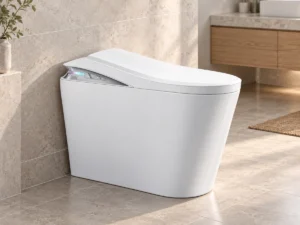
| Ceramic toilet | Shape and color | Installation dimensions, flush configuration, fittings, seat and appearance criteria |
| Smart toilet | Body and control layout | Functions, electrical requirements, connections, accessories and model documents |
| Faucet | Shape and finish color | Component materials, cartridge, finish requirements, threads and hoses |
| Bathroom vanity | Front view and style | Construction, materials, hardware, basin, countertop and packaging |
Where an intermediary buys finished goods for resale, its purchase costs, service costs and margin must fit within the selling price. If the buyer fixes a target price without defining the specification, there may be pressure to source a cheaper configuration. Differences in cartridges, fittings, materials, finish requirements or protective packaging can be difficult to detect in product photographs.
This is a risk to investigate, not proof that every quotation at the same price contains downgraded goods. Ask what is included, what has changed and what evidence supports the quoted configuration. Compare the sample and production goods against that written reference.
For buyers seeking direct factory cooperation, prioritize a verified production relationship and access to the team responsible for the product. Review 9CREAT’s factory and export-team information, then ask us to identify the production responsibility and configuration for your selected items. Apply the same verification checklist to our proposal.
For electronic models, consult the smart toilet sourcing guide for additional configuration questions.
5. Send a Useful Follow-Up Email to Canton Fair Sanitary Ware Suppliers
The first email should reconnect the supplier with your discussion and explain the order. Asking only for the best price invites another quotation without resolving missing details. Instead, attach your list and available drawings, then request comparable answers.
Supplier follow-up email template
Subject: 140th Canton Fair Follow-Up — Sanitary Ware Inquiry for [Destination / Project]
Dear [Name],
Thank you for meeting us at the 140th Canton Fair. We discussed (product categories or model references) at your booth.
We are evaluating suppliers for [distribution, standard products or OEM] in [country]. Please review the attached product list, quantities and requirements.
Please confirm:
- Which facility will produce these items, and how is it related to the quoting company?
- Which entity will sign the agreement, invoice us and receive payment?
- Does the quotation match our specification? Please identify differences or exclusions.
- Which accessories, packaging and branding work does the price include?
- Which documents are available for these models and destination requirements?
- What sample arrangements, production timing and inspection options apply?
- Who will coordinate technical questions and quality or after-sales issues?
Please quote the delivery basis and named place or port, payment milestones and quotation validity.
Best regards,
[Name]
[Company]
[Contact details]
For brand distribution, add authorization and territory questions. For OEM, ask which changes require new samples, tooling or testing. Remove questions that do not apply rather than sending a long request without a clear brief.
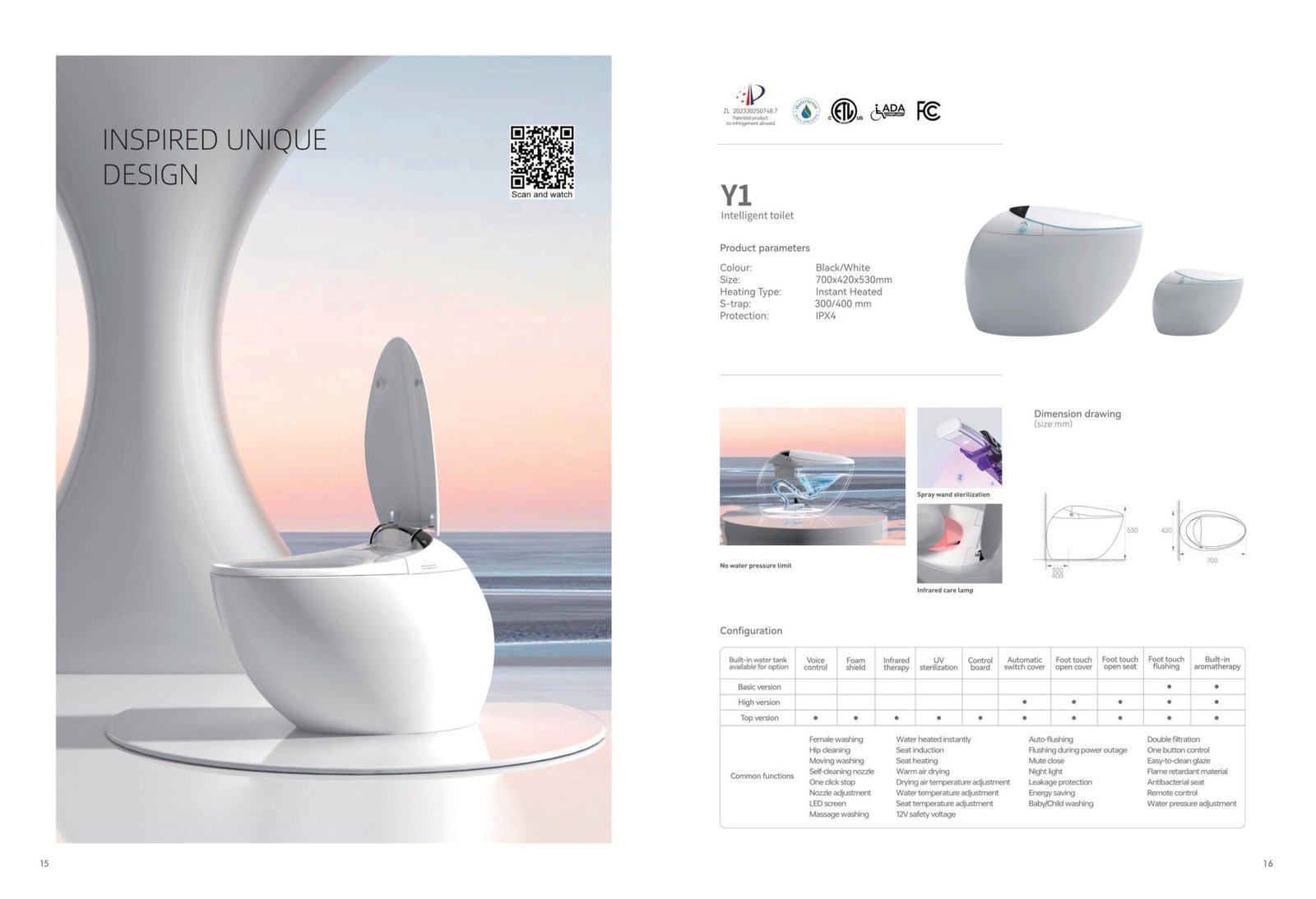
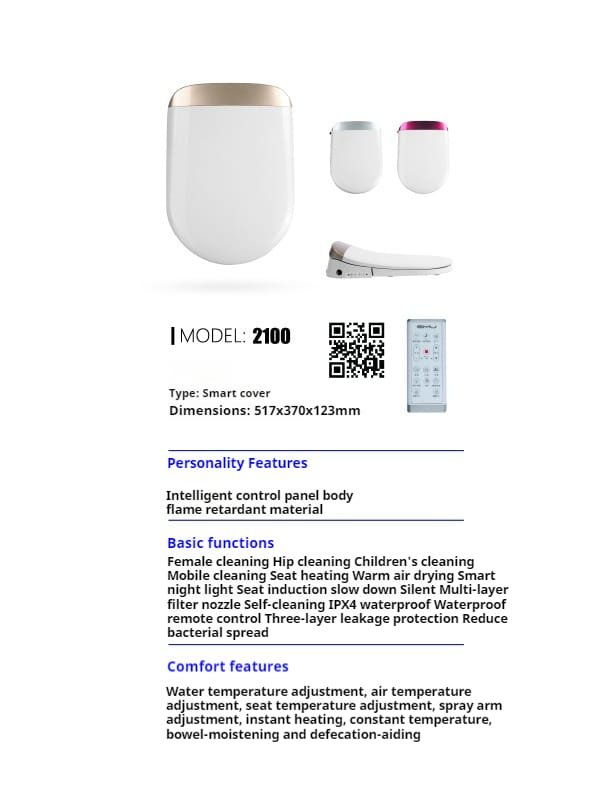
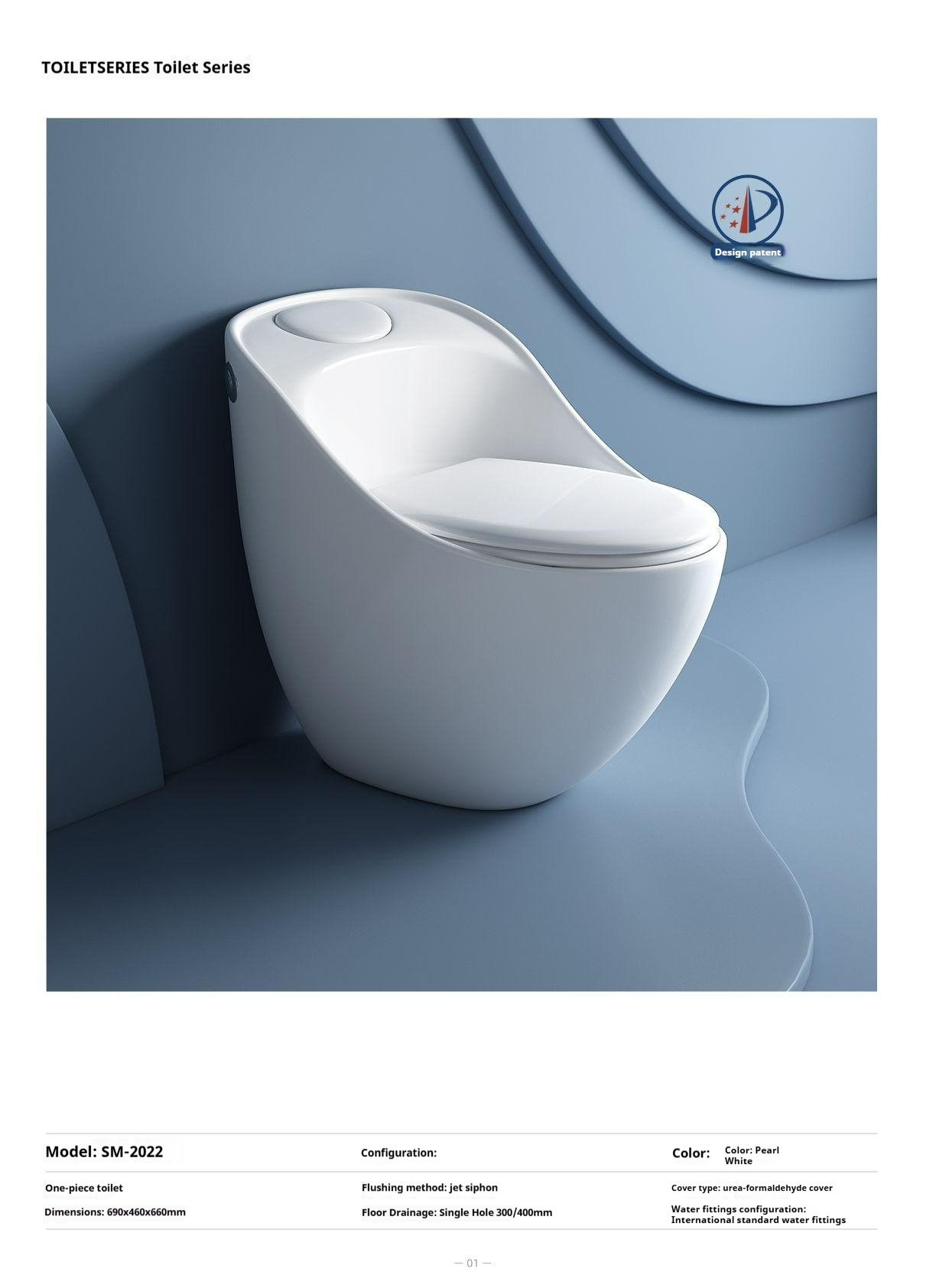
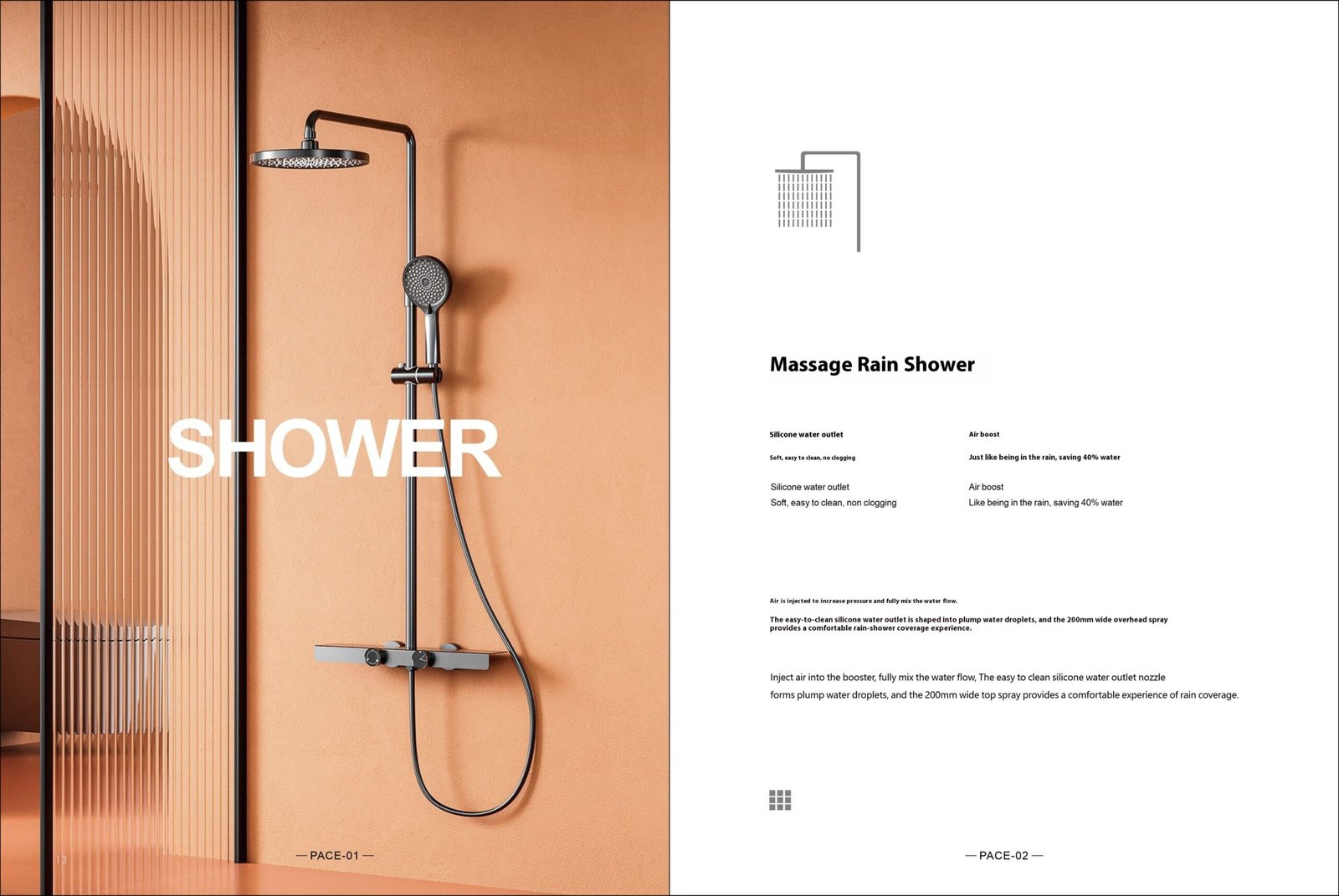
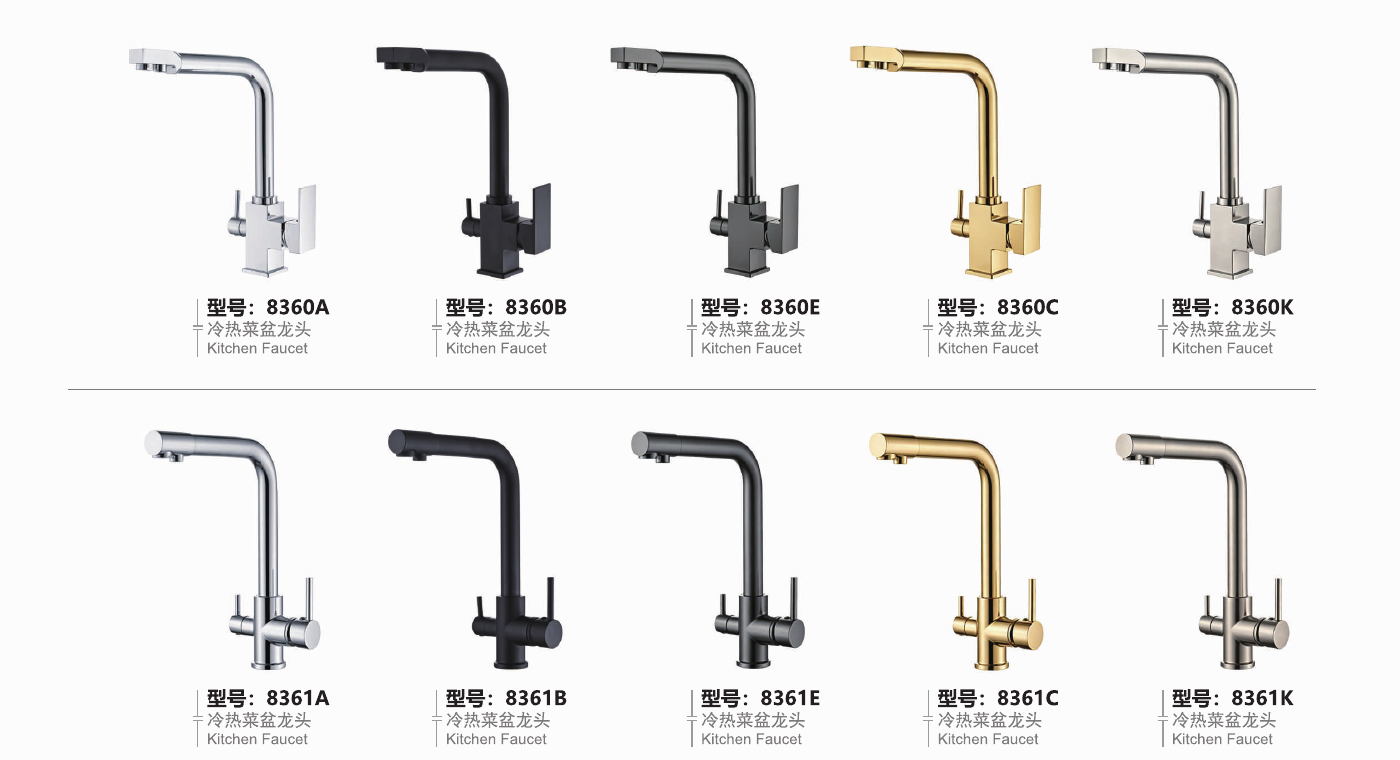
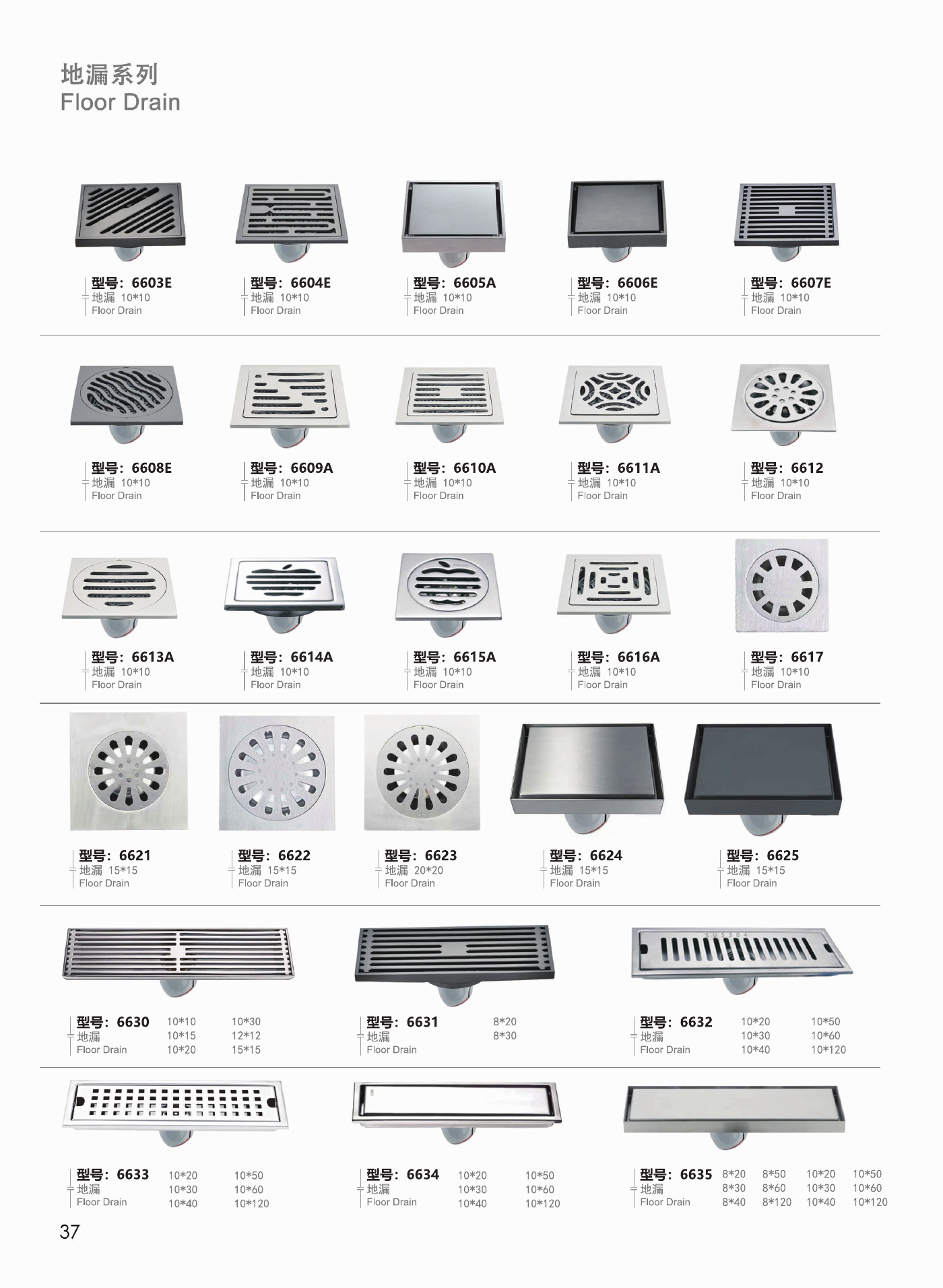
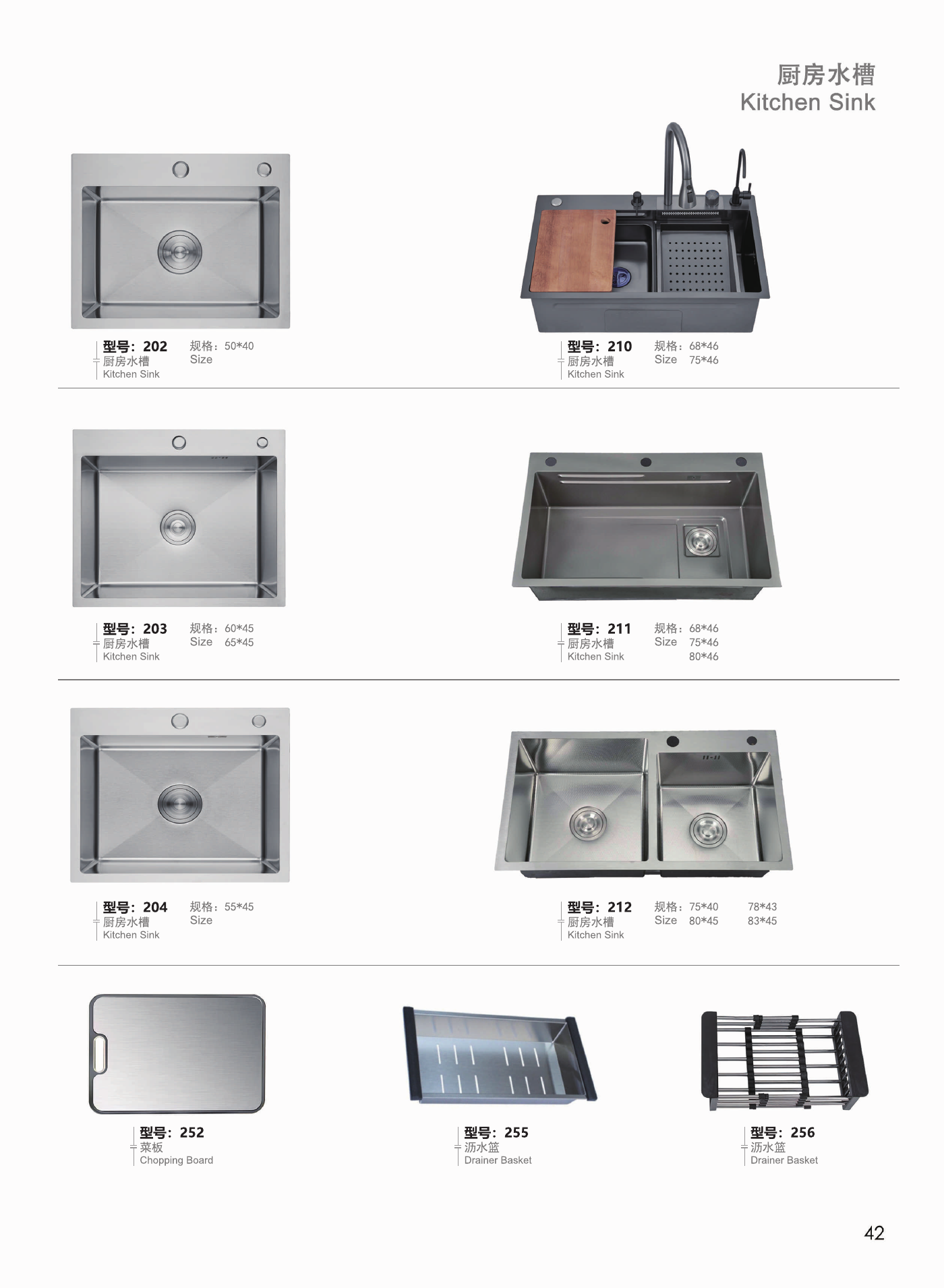
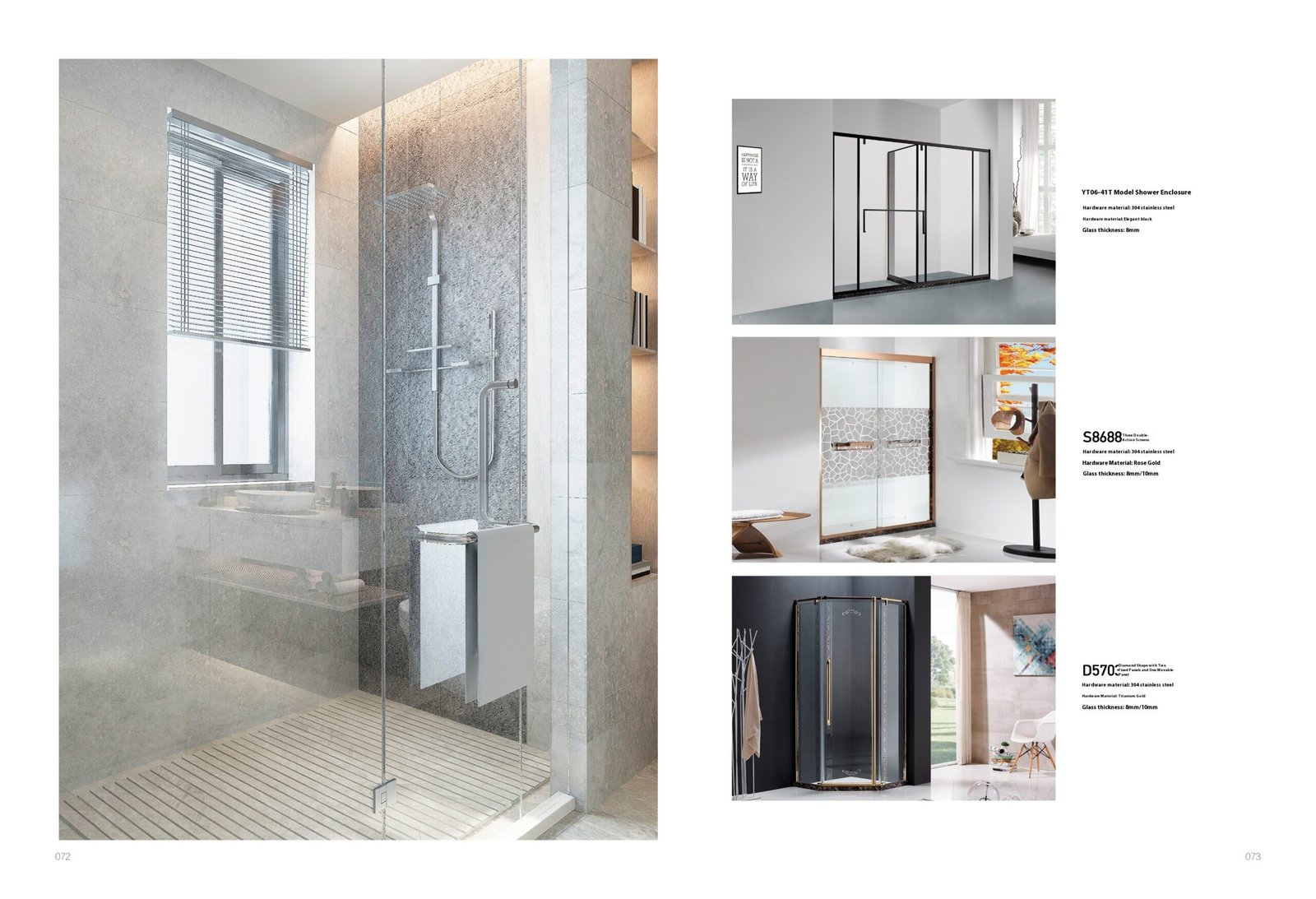
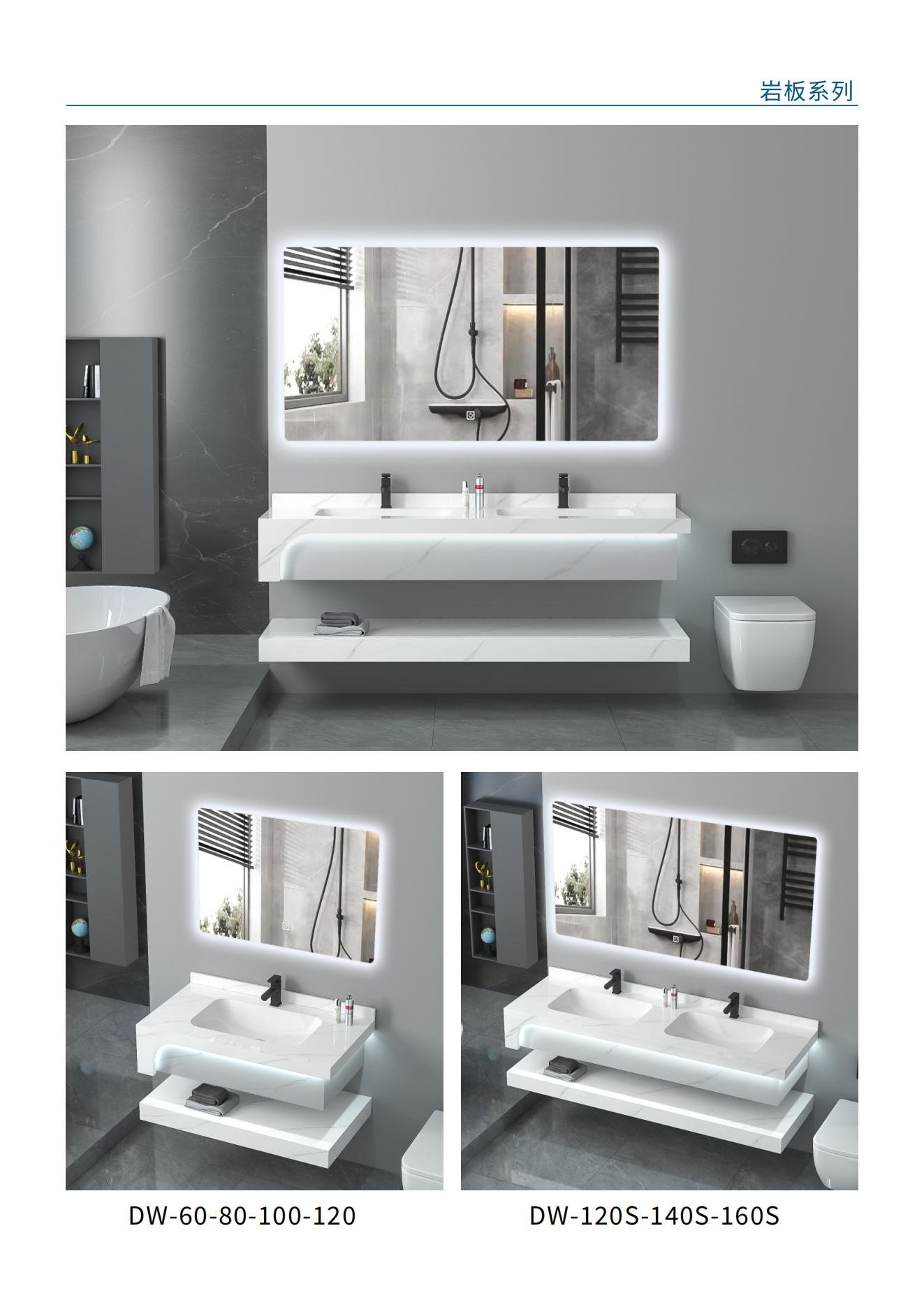
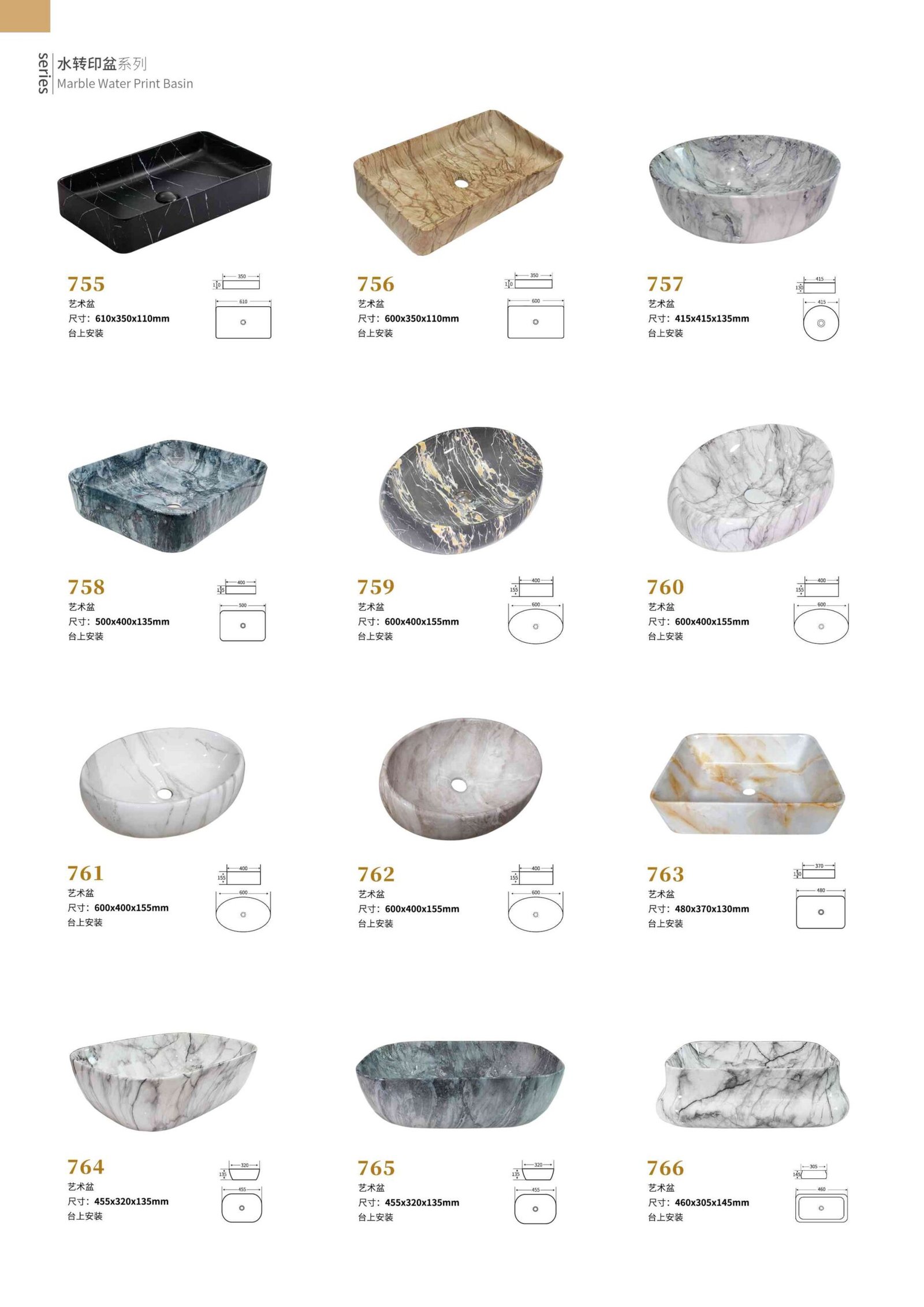
Product References by Category
One representative product listing per category. Confirm the exact model and configuration in your inquiry.
6. Build a Supplier Scorecard Around Evidence
A scorecard makes team comparisons more consistent. However, it cannot turn missing evidence into a positive result. The weights below form a suggested buyer evaluation model, not an official industry rating. Adjust them for your market and order risk.
| Area | Weight | Evidence | Score |
|---|---|---|---|
| Product and market fit | 25% | Models, installation needs, configurations and relevant documents | 0–5 or pending |
| Technical response | 20% | Drawings, component information, deviations and consistent answers | 0–5 or pending |
| Identity and transparency | 20% | Entities, production sites, subcontracting and responsibilities | 0–5 or pending |
| Samples and quality controls | 20% | Approval method, inspection arrangements and product-specific evidence | 0–5 or pending |
| Terms and execution | 15% | Comparable scope, realistic commitments and follow-through | 0–5 or pending |
How to use the scores
- 0: Evidence shows the requirement is not met.
- 1–2: Substantial gaps remain.
- 3: The supplier meets the agreed requirement.
- 4–5: Evidence demonstrates relevant additional capability or stronger execution.
- Pending: Not yet verified. Do not replace it with an average score.
Once all areas are assessed, calculate the sum of each score divided by 5, multiplied by its percentage weight. This gives a total out of 100. For example, scores of 4, 3, 4, 3 and 4 produce 72/100. This illustrates the calculation, not an approval threshold.
Keep stop conditions separate
A high score must not cancel an unresolved critical issue. Pause if the supplier cannot explain contracting or payment relationships, essential model documents do not match, or it refuses to record specifications. Investigate discrepancies before proceeding; an inconsistent answer alone is not proof of fraud.
7. Move From Supplier Shortlist to Sample and Order Verification
After reviewing responses, select suppliers that support your requirements and keep open questions attached to their records. Next, agree the sample configuration and approval method. A good exhibition sample does not establish batch consistency.
Identify the sample, record its specification and agree how production goods will be checked. Our RFQ, sample approval and pre-shipment checklist covers quotations, sample records, changes, inspection, packing and shipment decisions.
Verify the business arrangement before committing, then verify goods against the accepted order.
Discuss Your Shortlist With the 9CREAT Export Team
9CREAT coordinates ceramic production in Chaozhou and bathroom hardware production in Wenzhou through its export team. Review our factory and export-team background and ask about the production responsibility for your selected items.
Send model references, quantities, destination and installation requirements. Include available drawings, packaging instructions and the configuration you want quoted.
Contact the export team or send your inquiry on WhatsApp.
Organize the evidence. Define the cooperation. Compare the specification. Then evaluate the price.